Early Warning Signs of Gum Disease Most People Ignore
Early Warning Signs of Gum Disease Most People Ignore
Changes in your gums can be easy to overlook, especially when they seem minor at first. Bleeding, sensitivity, or persistent bad breath may deserve more attention than you think. All Smiles Dental Care helps patients in Monett, MO recognize the symptoms of gum disease and take steps to care for their gums. Learning what to watch for can help you bring concerns to your dentist earlier and better understand what your gums may be telling you about your oral health.
Understanding Gum Disease
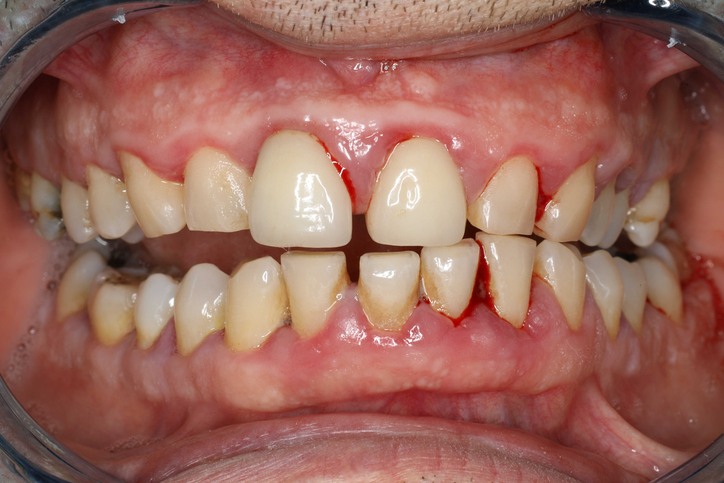
Gum disease develops when plaque builds up along and below the gumline, and the surrounding tissues become inflamed. Gingivitis is the early form of gum disease and can cause red, swollen, or bleeding gums. If gum disease progresses, it can affect the tissues and bone that support your teeth. Recognizing the early signs of gum disease gives you a reason to talk with your dentist about changes in your gums.
Bleeding Gums During Brushing or Flossing
If you’ve got bleeding gums when you brush or floss, this can be an early warning sign of gum disease. Bleeding may occur when gum tissue becomes inflamed. Rather than assuming occasional bleeding is simply part of brushing or flossing, pay attention if it keeps happening. A dentist can examine your gums and determine what may be causing the change.
Persistent Bad Breath That Won’t Go Away
Bad breath can have many causes, but persistent bad breath can also appear with gum disease. Plaque and bacteria around the teeth and gums may contribute to the problem. If regular brushing, cleaning between your teeth, and everyday oral care don’t resolve persistent bad breath, consider mentioning it during your next dental visit so your dentist can evaluate possible causes.
Gum Recession and Longer-Looking Teeth
Receding gums pull away from the teeth and can make teeth appear longer than they did before. Gum recession is also among the possible signs of unhealthy gums. Since recession can have different causes, noticing a change doesn’t tell you exactly what is happening. A dental evaluation can help determine what is affecting your gums and whether treatment or changes to your oral care may be appropriate.
Why Gum Disease Can Cause Sensitivity
Gum disease and sensitivity can sometimes occur together. Changes in the gums can affect areas of a tooth that normally have more protection. Several factors may contribute to sensitivity:
- Gum Recession – Receding gums can expose parts of the tooth root that were previously covered by gum tissue. These areas can be more sensitive than the enamel-covered portion of a tooth.
- Exposed Root Surfaces – Tooth roots don’t have the same enamel covering found on the crowns of your teeth. Exposure may make hot, cold, or other sensations more noticeable.
- Changes Around the Teeth – As gum disease progresses, it can affect the tissues that are there to support your teeth. Your dentist can evaluate sensitivity alongside the condition of your gums to help identify its cause.
Pus or Gum Abscesses
Pus around the gums can be a sign of infection and deserves prompt dental attention. Gum disease can create spaces between the teeth and gums where infection may develop. If you notice pus, swelling, or an abscess around your gums, contact your dentist for an evaluation rather than trying to determine the cause yourself.
How to Prevent Gum Disease Before It Starts
Consistent oral care helps control plaque and gives your gums regular attention. While individual needs vary, a few basic habits can support healthy gums:
- Brush Consistently – Brush your teeth twice each day with fluoride toothpaste. Pay attention to the gumline while using a gentle brushing technique.
- Clean Between Your Teeth – Daily cleaning between teeth helps remove plaque a toothbrush may miss. Floss, water flossers, and other appropriate cleaning tools can help reach these areas.
- Keep Regular Dental Visits – Professional cleanings remove hardened buildup that home brushing and flossing cannot remove. Dental visits also allow your dentist to check your gums for changes.
- Pay Attention to Changes – Bleeding, recession, persistent bad breath, or sensitivity can give you a reason to check in with your dentist. Don’t assume a recurring change is simply normal for you.
Give Your Gums the Attention They Deserve
Small changes in your gums can provide useful clues about your oral health. Paying attention to bleeding, recession, sensitivity, or other gingivitis symptoms in the early stage can help you know when it’s time for a dental evaluation. All Smiles Dental Care provides periodontal disease treatment and preventive care in Monett, MO, and the surrounding areas. Contact us to schedule a dental visit today!