Sleep Apnea and Dentistry: How Oral Appliances Can Help
Sleep Apnea and Dentistry: How Oral Appliances Can Help
When most people think of sleep apnea, they imagine a specialized sleep clinic or a bulky CPAP machine. The first line of defense against this exhausting and potentially dangerous condition often begins in the dentist’s chair. Because Obstructive Sleep Apnea (OSA) is fundamentally an anatomical issue involving the airway, your dentist is uniquely positioned to identify signs of the disorder, such as worn tooth enamel from grinding or a narrow throat structure, long before a patient may seek a formal sleep study. All Smiles Dental Care explores how oral appliances can help with sleep apnea.
Understanding Sleep Apnea
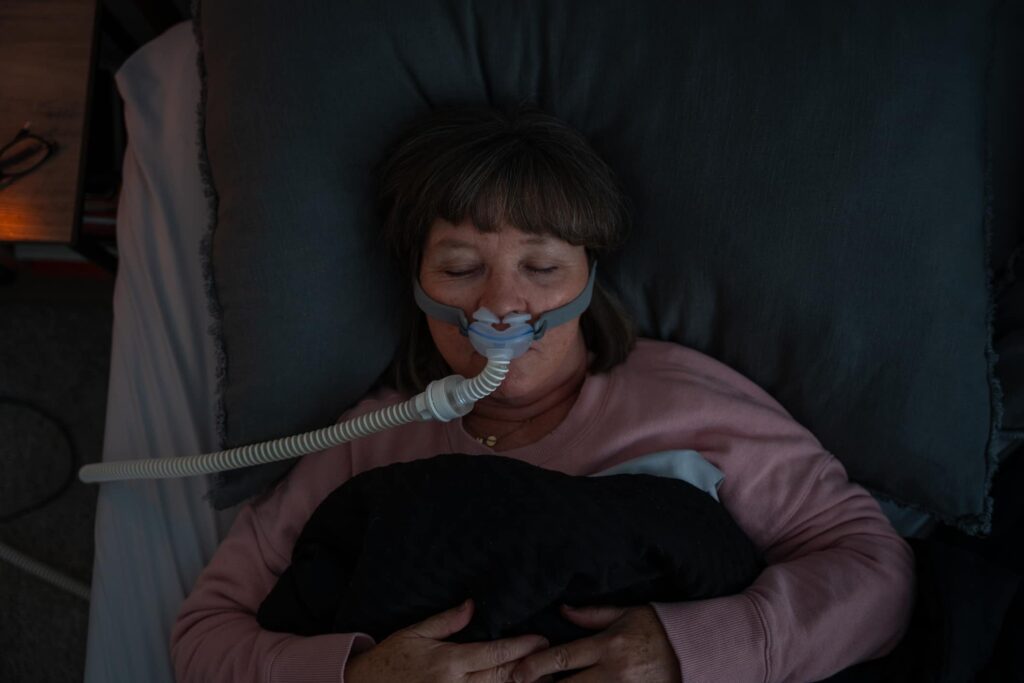
Obstructive Sleep Apnea occurs when the muscles in the back of the throat over-relax during sleep, causing the airway to narrow or close completely. This interruption in breathing forces the brain to briefly wake the body to reopen the airway, a cycle that can repeat dozens of times per hour. Beyond the immediate symptoms of loud snoring and daytime fatigue, untreated sleep apnea is a major contributor to systemic health problems, including hypertension, heart disease, and inflammatory risks.
The Dentist’s Role in Diagnosing Sleep Apnea
While only a physician can formally diagnose OSA, dentists play a vital role in the screening process. During a routine exam, our dental team can evaluate “Mallampati scores” (the visibility of the throat), check for an enlarged tongue, or notice signs of bruxism (teeth grinding) that frequently co-occur with airway obstruction. By working in tandem with sleep specialists, dentists ensure that patients receive a comprehensive evaluation and a pathway to effective treatment.
What Are Dental Oral Appliances for Sleep Apnea?
For many, the gold standard treatment of CPAP (Continuous Positive Airway Pressure) is difficult to tolerate. This is where oral appliance therapy for sleep apnea comes in. These custom-fitted devices are worn only during sleep and look similar to an orthodontic retainer or an athletic mouthguard. The most common type is the mandibular advancement device, which works by gently shifting the lower jaw forward to keep the soft tissues of the throat from collapsing into the airway.
Benefits of Oral Appliances for Sleep Apnea
Oral appliances for sleep apnea help improve sleep and provide the comfort you deserve. Some of the most significant benefits of oral appliances for sleep apnea include:
- Improved Comfort: Custom-fitted designs offer a more natural feel than bulky CPAP masks and hoses.
- Convenience and Portability: Compact and easy to pack, making them ideal for frequent travelers or those with active lifestyles.
- Quiet Operation: Unlike CPAP machines, oral appliances are completely silent, ensuring a quieter sleep environment for both you and your partner.
- Higher Compliance Rates: Many patients find them easier to use consistently, leading to more effective long-term treatment outcomes.
- No Electricity Required: Because they don’t require a power source, they are reliable during power outages or while camping.
- Effective Airway Management: By gently repositioning the jaw, they prevent soft tissues from collapsing and obstructing the airway during sleep.
Who Is a Good Candidate for Dental Oral Appliance Therapy?
Oral appliances for snoring and sleep apnea are typically recommended for patients with mild to moderate obstructive sleep apnea. They are also an excellent alternative for patients with severe OSA who are “CPAP intolerant” and cannot comply with traditional pressure therapy. A candidate must have enough healthy teeth to support the device and should undergo a clinical evaluation to ensure their jaw joint (TMJ) can handle the slight forward positioning. We can assess your oral health to determine if you’re a good candidate for dental oral appliance therapy.
The Importance of Professional Dental Oral Appliance Therapy
While many oral devices are available for purchase online, these mass-produced options are often inexpensive and largely ineffective for treating sleep apnea. Without a custom fit, these generic devices can lead to unintended tooth movement or even permanent tooth loss. It is essential to consult an experienced dentist who can conduct a thorough assessment to determine if a dental appliance is a viable solution for your specific needs. During a professional consultation, we take precise impressions or molds of your teeth to create an exact replica of your bite. This allows for a preliminary fitting to ensure the mandibular advancement device is functional; if a patient lacks the necessary jaw mobility to shift forward, the treatment may be deemed ineffective.
FAQs About Sleep Apnea and Oral Appliances
How Long Do Dental Devices for Sleep Apnea Last?
With proper care and cleaning, most custom-made oral appliances last between 3 to 5 years before needing replacement.
Is It Uncomfortable to Wear a Mandibular Advancement Device?
Most patients experience a brief adjustment period of 1–2 weeks. Modern devices are custom-molded to your teeth to ensure maximum comfort and a precise fit.
Will My Insurance Cover Oral Appliance Therapy for Sleep Apnea?
Many medical insurance plans cover oral appliances when they are deemed medically necessary for treating diagnosed OSA.
Contact All Smiles Dental Care
All Smiles Dental Care helps Monett, MO patients sleep well and have positive oral health. By integrating dental treatment for sleep apnea into your healthcare routine, you can address airway obstructions at the source and safeguard your long-term cardiovascular health. If you struggle with snoring or wake up feeling unrefreshed, we might hold the key to a better night’s rest. Don’t let sleep apnea compromise your health and energy. Contact our office today to learn more about how a custom-fitted oral appliance can help you breathe easier and sleep deeper.