Oral Health and Heart Disease: The Hidden Connection
Oral Health and Heart Disease: The Hidden Connection
While we often think of dental hygiene as merely a matter of a bright smile or avoiding cavities, the implications of your oral health extend far beyond the mouth. Emerging medical research has highlighted a significant link between oral and cardiovascular health, suggesting that the state of your gums could be a window into your heart’s health. When we neglect our teeth, we aren’t just risking a toothache. We may be contributing to systemic inflammation that affects our entire circulatory system. Understanding the relationship between gum disease and heart disease is essential to maintain a healthy lifestyle and reduce their long-term risk of heart-related complications. Learn more today.
Understanding the Oral–Heart Connection
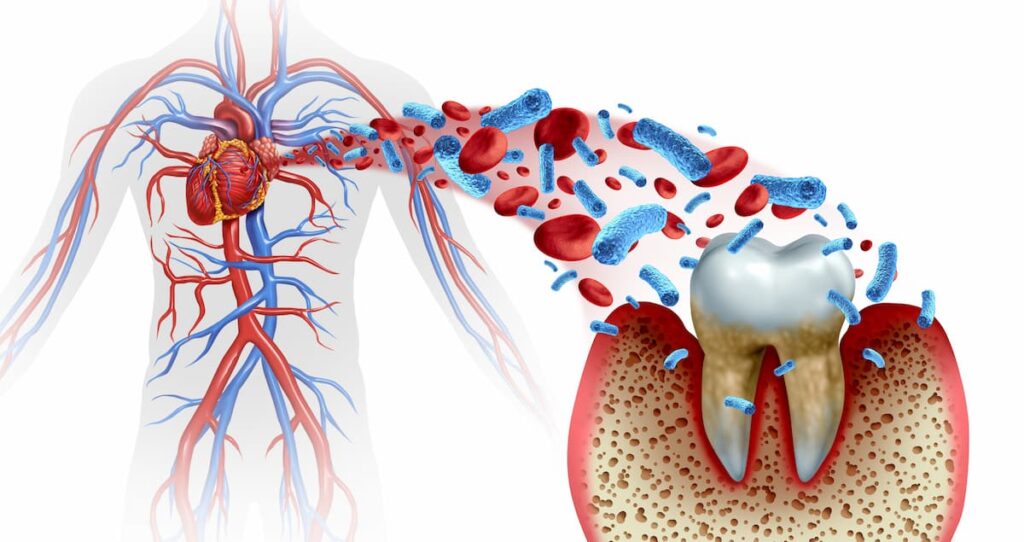
The primary bridge between dental health and heart health is inflammation. When a person suffers from periodontal disease (severe gum disease), the mouth becomes a reservoir for harmful bacteria. These bacteria can enter the bloodstream through inflamed gum tissue during simple activities like chewing or brushing. Once in the circulatory system, these pathogens can contribute to the formation of arterial plaque. The condition known as atherosclerosis causes narrowing of the arteries that restricts blood flow and increases the risk of heart attack and stroke. The body’s immune response to oral infection triggers a systemic inflammatory cascade, which can aggravate existing cardiovascular issues and lead to elevated blood pressure.
Dental Problems Linked to Heart Disease
Several specific oral conditions serve as red flags for potential heart problems. The most common dental problems linked to heart disease include:
- Periodontal Disease – Chronic inflammation of the gums can allow bacteria to enter the bloodstream, potentially leading to arterial plaque buildup.
- Gingivitis – Early-stage gum disease causes localized inflammation that, if left untreated, contributes to systemic health issues.
- Tooth Loss – There is a correlation between the number of missing teeth and an increased risk of coronary artery disease.
- Oral Infections – Untreated abscesses or deep decay can serve as a reservoir for bacteria that may trigger inflammatory responses throughout the cardiovascular system.
Scientific Evidence Behind the Oral–Heart Link
Decades of clinical studies have bolstered the argument that oral health and heart problems are intertwined. Research published by major health organizations indicates that common mouth bacteria are present in the fatty deposits of people with heart disease. Additionally, patients with high levels of periodontal pathogens often show thicker carotid arteries, a precursor to stroke. While the scientific community is still refining a direct cause-and-effect relationship, preventing periodontal disease and heart disease should be treated as a dual goal, as treating one often leads to improvements in the markers for the other.
Signs Your Oral Health Might Be Affecting Your Heart
It is vital to recognize the warning signs that your oral environment may be impacting your systemic well-being. Some of the signs your oral health might affect your heart health include:
- Persistent bad breath
- Loose teeth
- Bleeding gums
- High blood pressure
- Family history of heart disease
Who Is at Higher Risk?
Certain populations are more susceptible to the complications arising from the oral-heart link. Older adults, smokers, and individuals with poorly managed diabetes are at the highest risk, as these factors independently contribute to both gum decay and arterial damage. Furthermore, those with compromised immune systems may find that oral bacteria travel more easily through their system, causing endocarditis, an infection of the inner lining of the heart chambers and valves. Understanding these risks allows for more targeted preventive care and closer collaboration between dental and medical providers.
How to Improve Oral Health to Protect Your Heart
Protecting your heart starts with a rigorous daily oral care routine. We recommend the following:
- Brush twice a day with fluoride toothpaste and floss daily.
- Get professional dental cleanings every six months.
- Maintain a clean oral environment.
- Monitor signs of oral health issues.
Diet and Heart–Oral Health Connection
What you eat plays a dual role in protecting your teeth and your heart. A diet high in refined sugars and acidic beverages promotes tooth decay and feeds the bacteria that cause gum disease. Conversely, a diet rich in leafy greens, fibrous vegetables, and lean proteins provides the nutrients necessary for tissue repair and immune function. Anti-inflammatory foods, such as those high in Omega-3 fatty acids (like salmon and walnuts), are particularly beneficial as they help soothe inflamed gum tissue and support arterial health simultaneously.
Preventive Measures for Long-Term Protection
Long-term protection requires a proactive mindset that views dental care as essential healthcare. Beyond brushing and flossing, it’s vital to do the following:
- Avoid tobacco products as smoking is a major risk factor for both periodontal disease and heart disease.
- Stay hydrated to help maintain saliva flow, which naturally cleanses the mouth and neutralizes acids.
- Regularly discuss your heart health history with our dental team.
- Consult with your primary care physician to discuss health history and positive oral health measures.
FAQs About Oral Health and Heart Disease
Can brushing my teeth really prevent a heart attack?
While brushing alone isn’t a cure-all, it significantly reduces the oral bacteria and inflammation that are known contributors to heart attack risk.
Does treating gum disease lower blood pressure?
Some studies suggest that successful periodontal treatment can lead to a modest reduction in blood pressure by lowering systemic inflammation.
Are there specific toothpastes that help the heart?
No specific toothpaste “treats” the heart, but any ADA-approved fluoride toothpaste that prevents gum disease is a win for your cardiovascular system.
Contact All Smiles Dental Care
All Smiles Dental Care helps improve patients’ oral health in Monett, MO. Your journey to a healthier heart might just start in your bathroom mirror. Don’t wait for pain or symptoms to occur before seeking professional care. Schedule a comprehensive dental exam today to ensure your gums are healthy and your heart is protected. By prioritizing your oral hygiene, you are making a vital investment in your long-term cardiovascular wellness. Contact our dental team today to learn more about how a healthy mouth leads to a healthy heart.