Oral Health and Gut Health: Why They’re Connected
Oral Health and Gut Health: Why They’re Connected
When we think about digestive health, our minds often jump straight to the stomach or intestines. The digestive process and the health of our entire gastrointestinal tract actually begins in the mouth. The connection between oral health and gut health is a fundamental biological highway that influences everything from our immune response to nutrient absorption. By understanding this link, we can take a more holistic approach to wellness that starts with our morning brushing routine. All Smiles Dental Care explores why oral health and gut health are directly related. Learn more about gut health and oral health today.
What Is the Oral–Gut Axis?
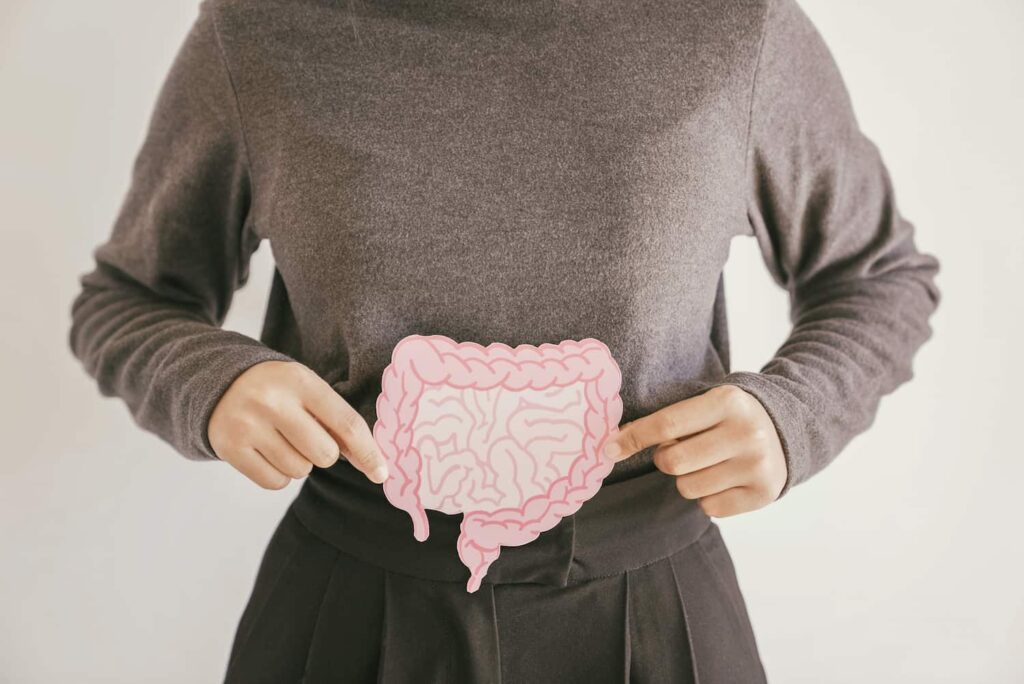
The oral–gut axis is the bidirectional pathway through which the mouth and the gut communicate and influence one another. The mouth is the second largest and most diverse microbiome in the body, hosting over 700 species of bacteria. Every time you swallow, you transport millions of these microbes, along with their chemical byproducts, directly into your stomach and intestines. This constant flow creates a continuous ecosystem where the state of your teeth and gums directly impacts the bacterial balance downstream.
The Link Between Inflammation, Immunity, and Microbial Balance
The relationship between oral microbiome and gut health is rooted in how our immune system responds to bacteria. When harmful bacteria proliferate in the mouth, often due to poor hygiene or gum disease, they trigger an inflammatory response. This inflammation isn’t localized. Inflammatory cytokines produced in the gums can enter the bloodstream and travel to the gut. Furthermore, a healthy oral microbiome acts as a gatekeeper, preventing pathogenic microbes from colonizing the digestive tract and maintaining a stable microbial balance.
How Poor Oral Health Affects Gut Health
Oral health impacts gut health primarily by facilitating bacterial translocation. In a healthy mouth, “good” bacteria keep “bad” bacteria in check. In cases of periodontitis or untreated decay, harmful strains like Porphyromonas gingivalis can flourish. When these pathogens are swallowed, they can survive the acidic environment of the stomach and reach the intestines, where they disrupt the gut lining and trigger dysbiosis, an imbalance of gut flora that leads to broader health issues.
Gut Health Conditions Connected to Oral Health
Research into gut health and dental health has revealed strong correlations between oral pathogens and several chronic gastrointestinal conditions. Some of the most common conditions connected with gut health and oral health include:
- Irritable Bowel Syndrome (IBS) – Imbalances in the mouth can exacerbate symptoms of bloating and discomfort.
- Inflammatory Bowel Disease (IBD) – Studies suggest that oral bacteria can migrate to the gut and worsen the inflammation associated with Crohn’s disease and ulcerative colitis.
- Leaky Gut Syndrome – Chronic oral inflammation can weaken the intestinal barrier, allowing toxins to “leak” into the bloodstream.
What Science Says About the Mouth–Gut Relationship
Scientific studies have increasingly confirmed the connection between oral health and gut health. Genomic sequencing has shown that identical strains of bacteria are often found in both the dental plaque and the intestinal biopsies of patients with GI distress. Researchers believe that the mouth acts as a reservoir for potential gut pathogens, meaning that even with a perfect diet, poor oral hygiene can sabotage your gut healing efforts.
Signs Your Gut Issues May Be Linked to Oral Health
It isn’t always obvious that a digestive issue starts in the mouth. Certain signs can point to the relationship, including:
- Persistent Bad Breath (Halitosis) – Often a sign of microbial overgrowth that affects both areas.
- Bleeding or Receding Gums – A clear indicator of systemic inflammation.
- Frequent Indigestion – This may occur if oral bacteria are interfering with the initial stages of carbohydrate breakdown in the mouth.
- Chronic Coating on the Tongue – Often reflects a biofilm imbalance that extends into the digestive tract.
How to Improve Oral Health to Support Gut Health
Supporting your gut starts with a rigorous oral care routine. Here is how you can improve your oral health to support gut health:
- Consistent Hygiene – Brush twice daily and floss to reduce the microbial load sent to your gut.
- Use Probiotic-Friendly Products – Avoid harsh, alcohol-based mouthwashes that kill “good” oral bacteria.
- Tongue Scraping –This removes debris and bacteria that contribute to gut dysbiosis.
- Dietary Support –Eat fibrous foods that “scrub” teeth and feed beneficial gut bacteria simultaneously.
- Regular Checkups – Professional dental cleanings remove the hardened tartar that you cannot reach at home.
FAQs About Oral Health and Gut Health Connection
Can Probiotics for the Gut Help My Teeth?
Yes, certain strains of probiotics can improve the microbial balance in the mouth, reducing the risk of cavities and gum disease.
Does Gum Disease Cause Stomach Ulcers?
While not a direct cause, the bacteria associated with gum disease can weaken the immune system’s ability to manage H. pylori, the bacteria primarily responsible for ulcers.
Is Tongue Scraping Necessary for Gut Health?
While not “necessary,” we recommend tongue scraping because it is highly beneficial as it physically removes pathogenic biofilms that would otherwise be swallowed.
Take Control of Your Total Health
All Smiles Dental Care provides comprehensive dental services in Monett, MO to help optimize your gut and oral health. Understanding the connection between oral health and gut health is a game-changer for your wellness journey. By leveraging smart dental technology and maintaining consistent hygiene, you aren’t just protecting your smile. You are safeguarding your entire digestive system. Start tracking your habits with our smart dental tools today and see the difference a healthy mouth makes for your gut. Reach out to us to schedule a dental consultation to learn more.